Blog
Insights for independent restaurants
Ronnie Lee (Lil' Ronnie's BBQ, Taste of Tofino): From a $200 Tent to the Hall of Fame
Ronnie Lee left the Maritimes for culinary school in Toronto, got hooked on wood-fire BBQ, and followed a friend's invitation to Tofino sight-unseen. He started cooking from a $200 tent with a smoker he drove from Ohio, built an eight-season institution on Mackenzie Beach, fed 1,350 people free Christmas dinner, and closed on a high note to pivot to catering.
October 11, 2026
Holiday Gift Cards for Restaurants: A Q4 Plan
Nearly half of restaurant gift card sales land in November and December, and about 40% of redemptions follow in the first quarter. A good holiday plan uses that timing on purpose: sell full-price cards from mid-November, attach a bonus card that only works from January 4 to March 14, and hold back your food cost on every card sold.
October 8, 2026
Your Busiest Stop May Not Be Your Most Profitable One
Sales are a poor way to choose where a food truck parks. A stop is worth what is left after its own fee, labour, fuel and waste, divided by the hours it ties up the truck. In the worked example, a $3,200 festival earns about $104 an hour and a $1,400 weekday lunch earns about $128.
October 6, 2026

Restaurant Loyalty Software in Canada: What It Costs
Restaurant loyalty software in Canada costs about $36 to $141 a month for one location, or $1,280 to $5,100 over three years. A single-room independent needs five things from it: sign-up without an app, earning at the bill, an exportable guest list, recorded consent, and one win-back message. The reward you choose costs far more than the software does.
October 4, 2026
How to Start a Food Truck in Canada: Costs and Year One
Starting a food truck in Canada takes about $106,000 with a used truck in a big city and five to six months of lead time. Book events and sign a commissary kitchen before you buy the vehicle, register for GST/HST early, and verify fuel approvals on any used truck. A realistic first season brings in about $157,000 and leaves roughly $17,600 for the owner.
October 2, 2026
Restaurant POS Systems in Toronto: What Independents Pay
Toronto independents mostly choose between Square, TouchBistro, Lightspeed, Toast, Clover and Moneris. Ontario's single 13% HST means any of them handles tax, so the decision comes down to card processing, contract terms and support. On $24,000 a month in credit sales, processing costs about ten times the software fee. Two Toronto-based players also changed owners in 2026.
September 30, 2026
Are Restaurant Loyalty Programs Worth It? The Math
A restaurant loyalty program is worth it for an independent only under two conditions: the reward is a dish, not dollars off, and the program is aimed at guests on their second or third visit. Most of the member gap is regulars who'd come anyway, so a dollar-off program with paid software can need a 6 to 7% lift in visits just to break even.
September 28, 2026
Zach Smith (Fat Rabbit, Les Incompetents): the chef who left Toronto for a strip mall
Zach Smith spent four years running the kitchen at Toronto's Bar Raval before COVID pushed him and his young family to Niagara. What started as a retreat became a statement: Fat Rabbit, a whole-animal butchery and restaurant in a St. Catharines strip mall, earned a Michelin recommendation, landed on Canada's 100 Best, and sparked two more restaurants on the same downtown strip.
September 25, 2026
Restaurant Deals That Build Revenue (Not Just Traffic)
Most independent restaurants either avoid promotions entirely or discount too broadly, and both approaches leave money on the table. The operators getting it right use targeted, time-limited deals that fill slow periods, reward repeat guests, and add value without cutting prices. This guide covers what works, what doesn't, and how to stay on the right side of Canada's anti-spam law while you're at it.
September 21, 2026
Restaurant KPI Dashboard: 7 Metrics That Actually Matter
A restaurant dashboard doesn't need to be complicated. Seven indicators, tracked every Monday morning with data from your POS and a spreadsheet, are enough to tell you whether your restaurant is making money or losing it this week. Here's which ones, how to calculate them, and the benchmarks that matter for a Canadian independent.
September 18, 2026
Restaurant SEO Services: What Agencies Charge
Restaurant SEO agencies in Canada charge $300 to $1,500 a month at the freelance end and $1,500 to $5,000 at full service. But Google Business Profile and reviews are 52% of what decides map pack rankings, and both are free for an owner to run. Pay for links, content volume and your time back, not for the free part.
September 15, 2026
When ingredient costs spike: a restaurant menu playbook
When one ingredient jumps 20% or more, raising every price is the slowest and most visible fix. Start by costing the affected plates, then work through five levers ordered from least to most visible to your guest: portion discipline, spec changes, plate rebalancing, targeted repricing, and pulling the dish. Price to hold your dollar margin, not your food cost percentage.
September 14, 2026
What online reservations actually cost your restaurant
Online reservations cost most Canadian restaurants far more than the listed subscription price. Per-cover fees, transaction cuts, and contract terms can multiply the monthly rate several times over. This comparison breaks down what six major platforms actually charge, what the hidden costs look like for a restaurant doing 1,500 covers a month, and where flat-fee alternatives fit.
September 11, 2026
Employee Benefits for Small Restaurants on a Real Budget
Independent restaurants can offer meaningful employee benefits without a corporate budget. Health spending accounts start at $0 in premiums. Staff meals cost $15-$20 per shift. Flexible scheduling and cross-training cost nothing. This guide breaks down what's realistic for a small Canadian restaurant, what the CRA allows, and what actually keeps people from leaving.
September 10, 2026
Close or Pivot Your Restaurant: The Real Decision
Up to 2,500 Canadian restaurants could close on a net basis in 2026, down from 7,000 in 2025. But most owners who close make the decision too late, or for the wrong reasons. This framework separates the financial signals from the emotional traps, and lays out the pivot options worth trying before you lock the doors.
September 8, 2026
Is your bar actually making money? The numbers say maybe not
Most independent restaurants treat their bar as an automatic profit centre. Beverages have high markups, so the bar must be making money. But when you break pour cost down by category, wine often runs at 30-45% while cocktails and draft beer carry the average. Add provincial wholesale pricing gaps and untracked shrinkage, and many bar programs are less profitable than they appear.
September 3, 2026
Wine and spirits tariffs: what your bar program is actually paying
Wine and spirits tariffs have reshaped the Canadian bar landscape since March 2025. US alcohol imports fell 81%, provincial bans pulled 3,600+ products from shelves, and liquor board markups amplify every cost increase before it hits your invoice. Independent operators who track pour costs weekly and diversify toward Canadian products are recovering margin others are losing in silence.
September 1, 2026
How to Raise Menu Prices Without Losing Customers
Canadian food costs are up 37% on average, and 44% of restaurants are at or below break-even. Raising prices is not optional. But there's a difference between a panicked 15% hike that empties your dining room and a quiet $0.50 quarterly adjustment that nobody notices. This guide walks independents through the second approach, with real math, a decision framework, and the specific items to protect.
August 29, 2026
Bill 42 and Harassment Prevention for Restaurants
Every Canadian province now requires employers to maintain a workplace harassment prevention policy. Restaurants are one of the highest-risk sectors: between 54% and 81% of women in hospitality report experiencing sexual harassment, and only 32% of restaurants provide training. Quebec's Bill 42, fully in force since September 2024, sets the most prescriptive standard with seven mandatory policy elements. Here's what the law requires across Canada and how to build a compliant policy in an afternoon.
August 28, 2026
Ghost Kitchen Setup Guide for Canadian Independents
Three ways to launch a ghost kitchen in Canada: rent a shared space ($22-$39/hour in Toronto, $20-$26 on the Prairies), build a dedicated kitchen ($60,000-$100,000+), or test delivery from the kitchen you already have (nearly free). The permits are the same as a traditional restaurant. For most independents, starting from your own kitchen is the smartest first move.
August 26, 2026
Kim MacPherson (Lupin Dining & Pantry): Fine Dining at the End of a Gravel Road
Kim MacPherson left Ontario at 18 to chase kitchen life. A Yukon farming internship and years in farm-to-table restaurants shaped her vision. In 2021, she and husband Mark Pehlke opened Lupin Dining & Pantry on their 40-acre homestead in Musquodoboit Harbour, NS, serving a seven-course tasting menu built from their own garden. In 2024, Lupin won Taste of Nova Scotia's Restaurant of the Year.
August 24, 2026
Interchange Fee Cuts: Is Your Restaurant Still Overpaying?
The federal government negotiated a 27% interchange fee cut for small businesses in late 2024. Most independent restaurants qualify, but not every processor has passed the savings through. Here's how to check your rate, what you should be paying, and what to do if your processor kept the difference.
August 21, 2026
Tax Strategies Most Restaurant Owners Miss
Independent restaurant owners in Canada pay more tax than they need to, not because the rules are hidden, but because nobody explains them in restaurant terms. This guide covers the five highest-impact strategies: HST input credits, capital cost allowance on equipment, the incorporation decision, owner compensation structure, and the deductions most operators forget.
August 18, 2026
Community Marketing for Restaurants: Your Neighbourhood Is Your Best Channel
Independent restaurants don't need paid ads to fill tables. Community engagement, from cross-promotions with nearby businesses to charity nights and local supplier partnerships, builds the kind of loyalty that turns neighbours into regulars. Here's a practical playbook for restaurants with no marketing budget.
August 15, 2026
Ontario's AI Hiring Disclosure: What Restaurants Need to Know
Since January 1, 2026, Ontario restaurants with 25 or more employees must disclose when AI is used to screen, assess, or select job applicants. The fix is simple: add one sentence to your job postings. But most independent operators don't realize they're already using AI through tools like Indeed, 7shifts, or their ATS. Here's exactly what the law requires and how to stay compliant.
August 12, 2026
Joe Thottungal (Coconut Lagoon, Thali): the chef who fed Ottawa twice
Joe Thottungal left Kerala for Canada in 1998 with cooking skills and little else. He opened Coconut Lagoon in Ottawa in 2004, spent years convincing diners that South Indian food was worth the trip. When fire destroyed the restaurant during COVID, he didn't pause. He co-founded Food for Thought, served 200,000+ meals to vulnerable residents, then rebuilt Coconut Lagoon from scratch and reopened it bigger than before.
August 8, 2026
Reservation Software Comparison for Restaurants in Canada
Eight reservation platforms available to Canadian independents in 2026, compared on real monthly cost in CAD, per-cover fees, data ownership, and Reserve with Google support. Three acquisitions reshaped the market this year: OpenTable bought Libro, Resy absorbed Tock, and DoorDash completed its SevenRooms purchase. The useful question isn't which tool has the most features. It's whether the tool only records demand or actually helps you shape it.
August 5, 2026

Customer data and privacy law: what Canadian restaurants need to know
Canadian privacy laws apply to every restaurant, regardless of size. Each reservation, guest profile, card-on-file record, and email list entry is personal information governed by PIPEDA and, in Quebec, BC, and Alberta, by stricter provincial laws. Here's what independent operators need to know about collecting, storing, and deleting customer data without drowning in legalese.
August 3, 2026

Green Claims on Your Menu: What Canadian Law Actually Requires
Canada's updated Competition Act imposes penalties up to $10 million for unsubstantiated environmental claims. Restaurants using terms like "eco-friendly," "sustainable," or "zero waste" on menus, websites, and social media now need evidence to back those words up. Here's what the law requires, what's safe, and what crosses the line.
August 1, 2026
OpenTable pricing in Canada, explained
OpenTable publishes three plans on its US site: $149, $299 and $499 USD per month, plus a per-seated-guest fee on reservations that arrive through its own channels. A 2% service fee applies to transactions the platform processes. No Canadian pricing is published anywhere: on opentable.ca, both available plans read "Contact us for pricing."
July 30, 2026
Restaurant Tech Trends 2026: Less Is the Move
The biggest restaurant tech trend for 2026 isn't a new tool. It's using fewer of them. Research from the James Beard Foundation and TouchBistro shows that operators with moderate, intentional tech adoption outperform those at both extremes. While the industry chases robot servers and AI phone bots, the real gains for independents come from consolidation, quiet automation, and keeping control of your customer data.
July 29, 2026
What Your Restaurant Actually Needs Online (It's Not an $800 AI Website)
Most independent restaurants don't need the $800-$2,500 "AI website" agencies are selling. Your Google Business Profile drives more discovery than your website does. Here's what actually earns its keep in your online presence, what you can skip, and where to spend if you choose to invest.
July 29, 2026
No-Show Fee Chargebacks: How to Protect Your Restaurant
When a guest disputes a no-show fee with their bank, the restaurant has 20 to 45 days to prove the charge was authorized. Restaurants that collect explicit consent at booking win nearly 90% of disputes. Those that charge after the fact win less than a third. The difference is documentation, and most of it can be automated before the guest even arrives.
July 26, 2026
Health Inspections for Restaurants in Canada: How to Prepare
Health inspectors in Canada can arrive unannounced at any restaurant. They check temperature control, food storage, handwashing, cross-contamination prevention, pest control, and staff certification. Penalties range from $250 tickets to $200,000 corporate fines depending on the province, and every jurisdiction publishes results online. This guide covers what inspectors look for, how penalties differ by province, and a daily checklist so the inspection is a non-event.
July 24, 2026
Holly & Jason Cullihall (Buoy & Arrow): building a restaurant from the land up
Holly and Jason Cullihall left their Ontario hobby farm and moved to Rocky Harbour, Newfoundland, in 2019 to build something closer to the land Jason grew up on. They opened Buoy & Arrow Restaurant and Suites in 2022, a Mi'kmaw owned and operated space serving wild game, local seafood, and seasonal ingredients sourced from the fishers, hunters, and farmers around them. By 2025, they'd won Newfoundland's first-ever Culinary & Agritourism Award of Excellence.
July 22, 2026
Who Owns Your Customers: Delivery Apps vs You
Every order through DoorDash, Uber Eats, or SkipTheDishes generates a customer profile the restaurant never sees. For a busy independent doing 25 delivery orders a day, that's 9,000 customer records a year owned by someone else. This article breaks down what platforms keep, what it costs in lost repeat business, and four practical steps Canadian restaurants can take to reclaim their customer relationships.
July 20, 2026
Group Reservations That Shrink: A Practical Fix
Partial no-shows cost more than full no-shows because the table is occupied but underperforming. This guide covers three practical fixes: a reconfirmation sequence that catches shrinking parties early, per-person deposits that create accountability, and card-on-file policies that protect revenue without punishing guests. Includes templates, scripts, and a chargeback-proof documentation checklist for Canadian restaurants.
July 19, 2026

Restaurant Gift Cards in Canada: Rules and Revenue
Gift cards sold in Canada cannot expire in any province. Rules on fees vary slightly by jurisdiction, but the core protection is universal. For independent restaurants, this creates a unique revenue tool: upfront cash with deferred food costs, built-in customer acquisition, and a marketing channel that works year-round.
July 18, 2026
How to Schedule a Small Restaurant Team (Under 10)
Canadian restaurants with teams under 10 can cut labour costs 6-10% through smarter scheduling alone. This guide covers demand-based shift planning, cross-training frameworks, split-shift math by province, and free templates. No expensive software required.
July 17, 2026
Restaurant Onboarding That Keeps New Hires Past 30 Days
Most restaurant turnover happens in the first 30 to 45 days, and each departure costs roughly $5,800. A structured onboarding plan, built around checklists, buddy systems, realistic job previews, and regular check-ins, can cut early turnover by up to 50%. Here is a week-by-week framework designed for independent restaurants with small teams.
July 16, 2026

Payment Processing Fees: What Your Restaurant Actually Pays
A Canadian independent restaurant doing $500,000 in annual card sales pays between $8,000 and $22,000 in processing fees, depending on the provider and pricing model. The flat rate that felt simple on day one often costs double what interchange-plus pricing would. This guide compares the major providers available in Canada, breaks down the pricing models, and explains how the federal interchange reduction to 0.95% shifts the math for small operators.
July 15, 2026
Website Builders for Independent Restaurants in Canada
Most independent restaurants in Canada spend too much on their website and too little on their Google Business Profile. This comparison breaks down six website builders by price, ordering capability, and fit for a single-location operation, with all pricing in CAD and a clear recommendation for each budget tier.
July 14, 2026
Restaurant Management Software for Independents (2026)
"Restaurant management software" usually means a POS system with bolt-on features for scheduling, inventory, and marketing. Canadian independents have four realistic options: TouchBistro and Lightspeed (both Canadian-made), Square, and Toast. None does everything well. This guide compares real monthly costs, Canadian tax compliance, and whether a single platform or a focused stack of 3-4 tools makes more sense for a 30-seat restaurant.
July 13, 2026
How to Set Up Online Ordering at Your Restaurant
Setting up online ordering at your independent restaurant takes a weekend, not a month. The real decision is whether to use your own system (keep the data, keep the margins) or rely on third-party apps (instant reach, 20-30% commission). Most Canadian independents land on both, used differently. This guide walks through the platforms available in Canada, what each one costs, and the practical steps to get your first order flowing.
July 12, 2026

Best POS Systems for Independent Restaurants in Canada (2026)
Canadian independents have six realistic POS options: Square, TouchBistro, Lightspeed, Toast, Clover, and Moneris Go. Three are Canadian-made (TouchBistro, Lightspeed, and Moneris). Square's free tier gets expensive fast at volume. TouchBistro suits single-location full-service restaurants on iPad. Lightspeed is built for growth. This guide breaks down real costs, Canadian tax compliance, and what actually matters for a 30-seat restaurant.
July 11, 2026
QR Code Menus: Pros, Cons, and What Works
QR code menus save Canadian independents roughly $3,800 per year in printing, but 81% of diners still prefer a physical menu. The data points to a hybrid approach: keep printed menus for the main experience, use QR codes for specials, wine lists, and allergen details. Here's how to decide what works for your room.
July 10, 2026
Craig Flinn (Chives, 2 Doors Down): Halifax's Cook First
Craig Flinn left a cartography degree to cook, trained at The Savoy in London, then came home to Halifax. Over 25 years he built three restaurants on one block of Barrington Street, wrote four cookbooks, and became Nova Scotia's most vocal champion of local ingredients. His story is the independent owner's bargain: the work will wear you down, but the cooking keeps pulling you back.
July 10, 2026
AI for Independent Restaurants: What Actually Works
Twenty-six percent of restaurant operators now use AI tools, but most guides list enterprise platforms a 30-seat independent will never need. This guide covers what actually works for Canadian independents: free tools you already have access to, AI features built into your existing software, and the few specialized tools worth paying for.
July 9, 2026
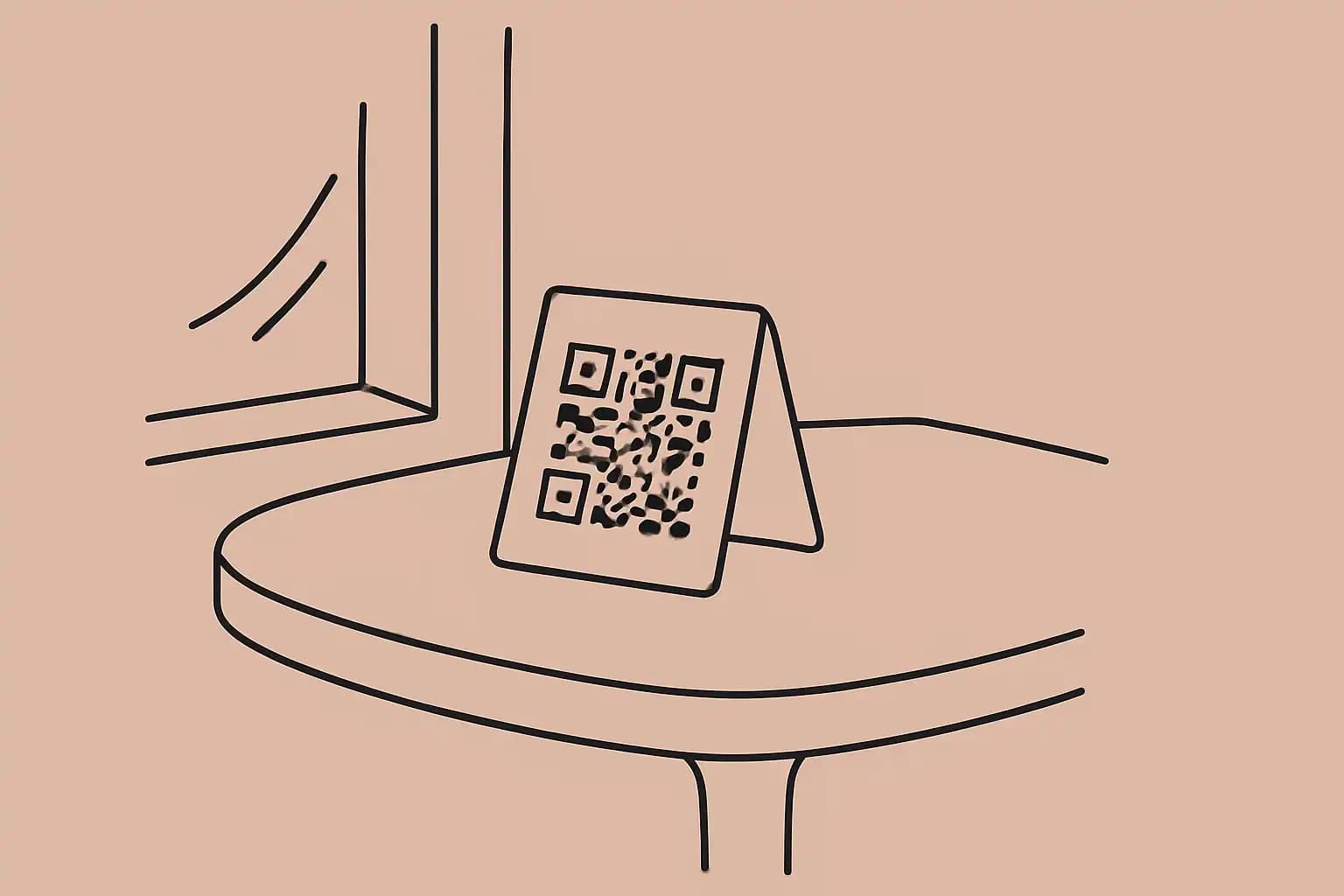
QR Code Menu Setup Guide for Canadian Restaurants
A step-by-step guide to setting up a QR code menu at your restaurant. Covers choosing between free and paid platforms, creating your digital menu, printing and placing codes, keeping paper menus for accessibility, and the Canadian rules you need to know. Built for independents who want to save on printing without losing the hospitality.
July 6, 2026
How to Design a Loyalty Program That Fits Your Restaurant
Most loyalty program advice skips straight to software comparisons. This guide starts where it should: with the design decisions that determine whether your program changes behaviour or collects dust. Four program structures mapped to restaurant types, the no-app movement reshaping 2026, and a practical framework for Canadian independents choosing between POS-bundled and standalone tools.
July 5, 2026
Andy Yuen (Odd Couple, SULU): From Hong Kong to Saskatchewan's Top Table
Andy Yuen arrived in Saskatchewan from Hong Kong at 15, worked his parents' small-town Chinese restaurant, earned a civil engineering degree, and practiced for nine years before opening Odd Couple in Saskatoon's Riversdale neighbourhood. Now the city's top-rated restaurant and a Food Network feature, it runs on family: his wife, his parents, and a daily 2:00 to 4:30 lunch together. In 2025, the Yuens opened SULU, their second restaurant.
July 4, 2026
New LMIA Rules for Restaurants: What Changed April 2026
Canada's April 1, 2026 LMIA changes doubled the minimum advertising period from 4 to 8 weeks and added mandatory youth recruitment for low-wage positions. For restaurants, that means the timeline from identifying a kitchen gap to having a TFW on the line stretches to 8 to 12 months. Here's what changed, what it costs, and what alternatives independents should consider first.
July 3, 2026
Stop Relying on One Supplier for Your Restaurant
Most independent restaurants buy from one distributor. That works until it doesn't. Building backup supplier relationships protects you from shortages, keeps pricing honest, and costs nothing if you do it right. Here's a practical framework for independents who can't commit to volume minimums.
July 2, 2026

2026 Canadian Restaurant Compliance Calendar
Canadian restaurant owners face over a dozen compliance deadlines in 2026, from staggered minimum wage hikes to tightened TFW rules, new payroll thresholds, privacy enforcement, and accessibility reporting. This calendar puts every date in one place so nothing falls through the cracks.
July 1, 2026
Environmental Rules for Canadian Restaurants in 2026
Canadian restaurants face three layers of environmental regulation: the federal single-use plastics ban (upheld by the courts in January 2026), provincial and municipal organic waste diversion mandates, and new greenwashing rules under the Competition Act. This guide maps every rule that applies to independent operators, province by province, with the actual compliance costs and practical steps to get it right without overspending.
June 29, 2026
Influencer Marketing for Independent Restaurants
Micro-influencers with 1,000 to 50,000 followers deliver 3 to 8% engagement rates and cost a fraction of celebrity partnerships. For independent restaurants in Canada, a well-structured creator collaboration can drive a 30% bump in reservations within a week of posting. This guide covers finding local food creators, structuring fair deals, staying compliant with Ad Standards, and measuring what actually matters: covers, not just likes.
June 29, 2026
Build an NA Beverage Program Your Guests Will Order
Canadian independents adding non-alcoholic beverage programs are seeing better margins than traditional cocktails, higher per-table revenue, and a wider guest base. This guide covers sourcing, pricing, menu placement, and the Canadian brands worth stocking.
June 26, 2026
TikTok for Restaurants: A Practical Guide for Canadian Independents
TikTok drives 38% of restaurant discovery among Gen Z. This guide covers what independent Canadian restaurants need to know: five content formats that work, posting frequency, local hashtags, algorithm changes for 2026, and the common mistakes that tank your reach. No budget or production crew required.
June 26, 2026
Zero-Waste Kitchen Techniques That Save Real Money
Canadian restaurants lose 8-15% of their food budget to preventable waste. This guide covers practical zero-waste techniques any independent can start this week: waste audits with a clipboard, stock scrap programs, root-to-stem prep, FIFO rotation, staff training, and composting options across Canadian provinces. No expensive software required.
June 25, 2026
The GST Campaign on Restaurant Meals, Explained
Restaurants Canada is campaigning for permanent GST removal on restaurant meals through its "Food is Food" initiative. The proposal could save Canadians $5.4 billion annually, create 80,000 jobs, and address a tax system that charges full sales tax on a restaurant salad but zero on the same salad from a grocery store. Here's what operators need to know.
June 23, 2026
SMS Marketing for Restaurants: A Canadian Guide
SMS has a 98% open rate and costs less than most restaurant marketing channels. This guide covers how Canadian independents can build a compliant text list, what to send, when to send it, and which platforms actually work in Canada. CASL compliance included.
June 22, 2026
Restaurant Food Photography With Your Phone
Your smartphone is the only camera your restaurant needs. With the right light, a few simple angles, and a 10-minute editing routine, you can build a photo library that drives orders, fills your Google profile, and keeps your social feed looking sharp. Here's exactly how to do it.
June 22, 2026
Darren MacLean (Shokunin, EIGHT, NUPO): Calgary's case against leaving
Darren MacLean started as a 12-year-old dishwasher helping his single mother pay bills in small-town Alberta. After culinary school, a failed first restaurant, and formative years studying in Japan, he returned to Calgary and built Shokunin, NUPO, and EIGHT: the only restaurant group in Canada with three concepts on Canada's 100 Best list simultaneously. He stayed when the playbook said leave.
June 22, 2026
Restaurant Marketing Budget for Canadian Independents
Most restaurant marketing budget advice quotes 3-6% of revenue, but that number was built for chains with brand recognition. Canadian independents under $1M in sales face a different equation: higher percentage needed, fewer channels that matter, and hidden costs (photography, menu printing, your own time) that never show up in the standard advice. Here's what the real math looks like.
June 19, 2026
Accessibility Rules for New Restaurants in Canada
Canadian accessibility laws for restaurants vary by province. Ontario's AODA requires customer service training for all businesses and compliance reports for those with 20+ employees. Nova Scotia won't issue a food permit unless your new restaurant is fully wheelchair accessible. This guide covers physical space, digital presence, and service standards across provinces so you can build it right from day one.
June 17, 2026
Dale MacKay (Ayden, Little Grouse): Building a Food Scene from Scratch
Dale MacKay quit school at 15, spent seven years cooking under Gordon Ramsay across four countries, then returned to his hometown of Saskatoon to build a restaurant group from scratch. He turned Saskatchewan's overlooked ingredients into a culinary identity and proved a world-class career doesn't require a world-class city.
June 17, 2026

Email Marketing for Restaurants: Build the List First
Your email list is the only marketing channel you actually own. This guide walks Canadian independent restaurants through building a list from scratch, staying CASL compliant, choosing the right tool, and sending emails that bring guests back. Most restaurants already have the data. They just haven't connected it yet.
June 12, 2026
Todd Perrin (Mallard Cottage): cooking Newfoundland
Todd Perrin trained in PEI and Switzerland, lost his first restaurant when the building collapsed, spent three years as a stay-at-home dad, then bought a 200-year-old heritage cottage in Quidi Vidi Village and turned it into one of Canada's top-ranked restaurants with a daily changing chalkboard menu built entirely on Newfoundland's wild ingredients.
June 12, 2026
Restaurant Burnout: What Owners Can Do
Over 76% of hospitality workers report mental health issues, and restaurant owners absorb the worst of it. This guide covers practical, low-cost moves for both your own wellbeing and your team's: scheduling changes, peer check-ins, free Canadian resources, and when to invest in professional support. Most of these cost nothing.
June 10, 2026
Food Truck Permits in Canada: The Real Checklist
Launching a food truck in Canada means clearing three layers of permits: federal business registration, provincial health certification, and municipal vending licences that vary wildly by city. Toronto charges $9,257 in year-one permit fees alone. Calgary requires annual fire, health, and plumbing inspections. Vancouver paused stationary vending permits for 2026. Budget $50,000 to $200,000 to start, and $3,500 to $12,000 in permits and insurance before you serve a single plate.
June 8, 2026
Vish Mayekar (Elem, Vancouver): Refusing to Pick a Lane
Vish Mayekar spent years in Vancouver cooking Italian at Pepino's and Caffé La Tana, both Michelin Recommended. Then he opened Elem in Mount Pleasant with partners Winnie Sun and Hassib Sarwari: 76 seats, three rooms, no fixed cuisine. Within 10 months, Michelin Recommended and Canada's 100 Best. The non-consensus move: an Indian-born chef who chose not to open an Indian restaurant, and built something bigger because of it.
June 5, 2026

Loyalty Programs for Independent Restaurants in Canada
Most loyalty program advice is written for chains with marketing departments. This guide covers what actually works for independent Canadian restaurants: from paper punch cards to POS-integrated digital programs, with honest cost breakdowns and a framework for deciding when you need software and when you don't.
June 4, 2026

GEO for Restaurants: How to Be the Answer AI Gives
AI search now recommends restaurants directly instead of listing links, but 83% of restaurants are invisible to these systems. Generative Engine Optimization (GEO) structures your digital presence so AI can confidently cite and recommend your business. Six actionable steps Canadian independents can take today.
June 3, 2026
Local Sourcing for Restaurants: A Practical Guide
Nearly half of Canadian restaurant operators plan to increase local sourcing in 2026, driven by tariff volatility and rising import costs. This guide covers how to find suppliers province by province, negotiate minimum orders as a small operator, plan seasonal menus around local availability, and use provincial certification programs to market your sourcing story.
June 2, 2026
How Tariffs Hit Canadian Restaurant Food Costs
Canadian restaurant food costs rose 37% on average after US-Canada tariffs took effect in March 2025. While retaliatory tariffs on agricultural products were lifted in September 2025, the supply chain disruption, price volatility, and sourcing shifts continue to shape how independents buy, price, and plan. Here's what actually changed and what you can do about it.
June 1, 2026
Bookkeeping for Restaurant Owners Who Hate It
Most independent restaurant owners do their books once a year in a Google Sheet and hope for the best. This guide covers the weekly routine, chart of accounts, CRA requirements, and DIY-vs-hire decision that keeps a 30-to-50-seat independent out of trouble and in control of its numbers.
May 29, 2026
Retention Beyond Wages: What Keeps Restaurant Staff
Restaurant turnover exceeds 75% annually, costing $3,500 to $5,864 per lost employee. But most staff don't leave over pay alone. They leave because they feel unappreciated, stuck, or burned out by chaotic schedules. This guide covers the retention levers independent operators can pull without raising base wages: predictable scheduling, meaningful recognition, cross-training, career visibility, and the small perks that signal you actually care.
May 27, 2026
Seasonal Menu Economics: What It Costs to Change
Seasonal menus can cut ingredient costs by 20-40% at peak harvest, but changeover expenses (printing, training, recipe testing, photography) eat into the savings. For a 30-seat Canadian independent spending $18,000/month on food, the net annual benefit of quarterly rotation is roughly $4,800 to $8,400 after changeover costs. Here's the full math.
May 25, 2026
Terrence Feng (Kin Kao, Song, TOUK): from software to Michelin
Terrence Feng left the software industry, spent his life savings on a 25-seat Thai spot on Commercial Drive with zero restaurant experience, and built it into a Michelin-recognized operation. A decade later, he runs Kin Kao, Song (three consecutive Bib Gourmands), and TOUK, a Cambodian bistro. His story is a case for naivety as advantage.
May 22, 2026
Online Reputation Management for Restaurants
Your restaurant's online reputation is the sum of every review, mention, listing, and photo floating around the internet. For independents, managing it doesn't require paid software or a marketing team. It requires a 20-minute weekly habit and knowing which platforms actually move the needle in Canada. This guide covers the full picture: monitoring, responding, listing accuracy, crisis handling, and the free tools that do the job.
May 21, 2026
Social Media Strategy for Independent Restaurants
Independent restaurants don't need to be on every platform. Pick two, post three to five times a week, and focus on short video and behind-the-scenes content. Instagram and TikTok drive the most discovery for restaurants in 2026, and consistency beats virality every time. This guide covers what to post, how often, and where your time actually pays off.
May 20, 2026
Immigration Pathways for Restaurant Hiring in 2026
Five immigration pathways for Canadian restaurant hiring in 2026, ranked from cheapest to most complex. The TFWP/LMIA route most operators think of first is now frozen in 30 major cities. Working holiday visas, post-graduation permits, and provincial nominees cost less and move faster. Here's the practical breakdown with costs, timelines, and which pathway fits which situation.
May 19, 2026
George Grabsky & Abraham Tesfazghi (Amber Kitchen): three countries, one kitchen
George Grabsky left Ukraine, trained under Israel's most famous chef for a decade, then spent six years running the kitchen at Parallel in Toronto. When he finally opened his own place with Eritrean-born partner Abraham Tesfazghi, he built something that refused to fit in a single box. Amber Kitchen is a 30-seat Leslieville spot where potato sourdough, berbere-rubbed beef, and reimagined shakshuka share the same menu.
May 19, 2026
Ghost Kitchen Economics: Worth It for Independents?
A ghost kitchen costs $20,000 to $100,000 to launch and $3,000 to $5,000 per month in rent across Canadian cities. But delivery commissions of 25 to 30 percent compress margins to roughly 15 percent on average, and up to 60 percent of operators close within a year. For most independents with an existing kitchen, optimizing delivery on-site beats signing a second lease.
May 16, 2026

Joseph Chaeban & Zainab Ali (Chaeban Ice Cream): built to employ a family
Joseph Chaeban grew up making cheese in his father's basement after the family immigrated from Lebanon. Years later, as a dairy scientist in Winnipeg, he learned his wife Zainab's 13 family members were being sponsored as Syrian refugees. He needed jobs waiting for them. So he opened an ice cream shop on the first day of winter.
May 15, 2026
Ricky Casipe & Olivia Simpson (Ricky + Olivia): the restaurant that started with a first kiss
Ricky Casipe and Olivia Simpson met in a Toronto kitchen, quit their jobs to be together, spent five summers cooking at a Niagara vineyard, and opened their own restaurant in the Leslieville bar where they shared their first kiss. Now a Michelin Bib Gourmand, Ricky + Olivia is built entirely around Ontario ingredients, childhood nostalgia, and the kind of commitment that only comes from doing it all yourself.
May 14, 2026
Search Is Dying. Asking Is Next.
37% of consumers now start their searches with AI instead of Google. For independent restaurants, this shift from typing keywords to asking questions changes which restaurants get found, not just how. The good news: the new signals favour restaurants that are specific, talked about, and real. That's the independent's home court.
May 11, 2026
Fadi Kattan & Nicole Mankinen (Louf): A Recipe Became a Restaurant
Fadi Kattan spent decades building a culinary career across Bethlehem, Paris, and London before a single Instagram message from Toronto editor Nicole Mankinen changed his trajectory. She wanted a hilbeh recipe. Two years later, they opened Louf, Toronto's first Palestinian casual fine dining restaurant, now ranked #7 on Toronto Life's Best New Restaurants list.
May 10, 2026

The Independent Restaurant Tech Stack for 2026
Most tech stack advice comes from the vendors selling the tools. This guide maps the six software categories a Canadian independent actually needs, with real monthly costs, Canadian-available options, and a framework for deciding what earns its place on your bill. Total stack: $280 to $700 per month for a 40-seat restaurant.
May 9, 2026
AI Is the New Discovery Channel for Restaurants
AI tools like ChatGPT and Google's Gemini are becoming how diners choose where to eat. 83% of restaurants don't show up at all. The gap between AI-visible and AI-invisible restaurants is widening fast, and it hits independents hardest. Here's what's actually happening and what you can do about it without spending a dollar.
May 8, 2026
How to Respond to Restaurant Reviews in Canada
Responding to every review within 24 hours correlates with up to 35% more revenue for restaurants. This guide covers exactly what to say to positive and negative reviews, the five response mistakes that make things worse, and a 15-minute weekly routine that turns review management into a habit, not a project.
May 6, 2026
Adam Donnelly & Courtney Molaro (Petit Socco): Smaller on Purpose
Adam Donnelly spent a decade building Segovia into one of Canada's top tapas restaurants, then closed it during the pandemic rather than compromise the concept. Two years later, he and partner Courtney Molaro opened Petit Socco: 10 seats, two people, a new four-course menu every week. enRoute named it Canada's #5 Best New Restaurant in 2023.
May 5, 2026
How to Get More Google Reviews for Your Restaurant
Google reviews are the single biggest influence on where people eat. For independent restaurants in Canada, review recency matters more than total count: 50 fresh reviews in three months can outrank a competitor with 2,000 stale ones. This guide covers the exact setup, timing, and habits that turn satisfied diners into consistent reviewers.
May 5, 2026
Two Hybrid Reservation Models Most Restaurants Can't Name
Most Canadian restaurants mix reservations and walk-ins without realizing they're running one of two fundamentally different strategies. A "designed hybrid" deliberately caps reservations at 60-70% and holds seats for walk-ins. An "emergent hybrid" books 100% through reservations and relies on no-shows and cancellations to create walk-in space. They look similar on a busy Saturday night, but the economics, risk profiles, and operational demands are worlds apart.
May 4, 2026

Christa Bruneau-Guenther (Feast Cafe Bistro, Winnipeg)
Christa Bruneau-Guenther, a Peguis First Nation member and self-taught cook, ran a daycare in Winnipeg for 12 years before opening Feast Cafe Bistro in 2016. Located on Ellice Avenue in the West End, the restaurant serves modern dishes rooted in Indigenous ingredients, hires people with barriers to employment, and keeps a pot of soup on the stove for anyone who needs it.
May 3, 2026

Optimize Your Google Business Profile: Beyond Setup
A complete Google Business Profile already gets 7x more clicks than an incomplete one. But "complete" is just the starting line. This guide covers the five optimization habits that separate restaurants customers find from restaurants customers scroll past: photos, posts, reviews, menu management, and the new Ask Maps feature that replaced Q&A in March 2026.
May 3, 2026

Commission-Free Ordering for Canadian Restaurants
Commission-free ordering platforms let Canadian restaurants take online orders without paying per-order fees to third-party apps. This comparison covers eight platforms available in Canada, from free options like GloriaFood and Square Online to full-service systems like Owner.com and Lightspeed, with real monthly costs, Canadian availability notes, and the trade-offs each one brings.
May 1, 2026

Shaun Hicks (Little Wolf, Okie Dokie): 20 Years Before His Own Kitchen
Shaun Hicks cooked in Edmonton kitchens for two decades before opening Little Wolf in the former Three Boars space. His vegetable-forward small plates use affordable ingredients transformed through fermentation and technique. Monthly vegan dinners fund Edmonton's Food Bank. Now he's opened a second spot, Okie Dokie, selling handmade smokies and prepared goods.
April 30, 2026

Set Up Google Business Profile for Your Restaurant
Your Google Business Profile is the single most important tool for getting found locally. Restaurants with complete profiles get 7x more clicks and 42% more direction requests than incomplete ones. This guide walks you through setup, verification, and your first week of activity, all in under 30 minutes.
April 29, 2026

Quebec's tipping law: what 500 complaints mean for Canada
500 complaints filed against Quebec restaurants since Bill 72 took effect in May 2025. Three rules: pre-tax math, custom-amount option, uniform display. The infrastructure is already deployed nationally because POS providers updated their systems for Quebec. Consumer fatigue is higher in BC and Ontario than it ever was in Quebec. The rest of Canada hasn't legislated yet, but the preview is here.
April 28, 2026

Quebec Minimum Wage Hits $16.60: The Real Cost
Quebec's minimum wage rises from $16.10 to $16.60 on May 1, 2026. For a typical 40-seat independent, the real cost is $11,000 to $13,000 per year once you factor in payroll burden and wage compression. That's roughly a third of your profit at current margins. Here's the math, the provincial context, and five ways to absorb it without raising every price on the menu.
April 28, 2026

Build a Delivery Menu That Actually Makes Money
Most restaurants upload their full dine-in menu to delivery apps and wonder why margins disappear. A delivery menu is a different product: fewer items, higher margins, food that travels. Restaurants that build a separate delivery menu report better ratings, fewer refunds, and faster kitchen throughput. Here's how to build one in a weekend.
April 28, 2026

5 Numbers to Check Weekly at Your Restaurant
Most independent restaurant owners check their numbers once a year, if that. Five numbers, checked every Monday morning, take 20 minutes and tell you more about your restaurant's health than any annual P&L. Here are the five, what they should look like, and how to track them without software.
April 27, 2026

How to Run a Restaurant With a Smaller Team
Running a Canadian restaurant with fewer staff isn't a crisis plan: it's a design choice. Cross-training, a tighter menu, smarter scheduling, and targeted tech can keep a 30- to 40-seat independent profitable without burning out the two or three people holding it together. Here's the playbook.
April 24, 2026

Blair Lebsack (RGE RD, The Butchery): The Farm Kid Who Built Edmonton's Supply Chain
Blair Lebsack grew up on a farm near Red Deer, cooked across Western Canada, then spent two years hosting pop-up dinners on actual range roads before opening RGE RD in Edmonton in 2013. His deep relationships with local farmers meant zero supply chain disruptions during COVID, and he expanded into whole-animal retail butchery mid-pandemic. A decade later, still 60 seats, still the same concept, still deepening.
April 23, 2026

OQLF Fines for Restaurants: What They Cost
Quebec's OQLF can technically fine a restaurant $3,000 to $30,000 per offence, doubling for repeats. But in 2024, only four businesses across the entire province were actually fined. The real cost for independents isn't the penalty: it's the compliance work on signage, menus, websites, and delivery app listings. Good-faith effort is what the OQLF looks for.
April 23, 2026

Scott Iserhoff (Bernadette's, Edmonton): Cooking as Responsibility
Scott Iserhoff spent 15 years in other people's kitchens, 10 of them in Toronto, before burnout pushed him west. In Edmonton he built Pei Pei Chei Ow, a Mushkego Cree catering and education company, with his wife Svitlana Kravchuk. Seven years later they opened Bernadette's, a 30-seat Indigenous fine dining restaurant named after his grandmother. It landed on the Air Canada Best New Restaurants longlist in four months.
April 20, 2026

What Your Restaurant Software Actually Costs
The average Canadian independent restaurant pays $350 to $700 per month across six to eight software subscriptions: POS, scheduling, reservations, accounting, delivery platforms, and marketing tools. Most operators haven't totalled the bill in over a year. Here's a line-by-line breakdown for a 40-seat independent, what you can cut, and what's actually earning its keep.
April 20, 2026

Winnie Chen (Fu's Repair Shop, Boa and Hare): The Recipe Trap
Winnie Chen spent her cooking career in French, Italian, and steakhouse kitchens. When her bosses asked her to lead a Chinese concept, she tried to prove she was wrong for the job by cooking her father's three-day beef noodle soup. They put it on the menu. She refused to hand over the recipe unless they made her a partner. Today she runs Fu's Repair Shop and Boa and Hare, and chairs Edmonton's Chinatown BIA.
April 16, 2026

Rank Higher on Delivery Apps: A Canadian Guide
Delivery app algorithms reward restaurants that convert browsers into buyers, fulfil orders fast, and keep ratings high. This guide breaks down the specific ranking signals on DoorDash, Uber Eats, and SkipTheDishes, with free optimization tactics Canadian independents can apply in a single afternoon.
April 14, 2026

Local SEO for Restaurants: The Canadian Guide
Your restaurant could have the best menu in town. If nobody can find you on Google, that doesn't matter. Local SEO is the set of actions that make your restaurant show up when people search "restaurants near me" or "best brunch Kensington Market." This guide covers the six pillars that actually move the needle for an independent restaurant in Canada.
April 14, 2026

What it costs to close a restaurant in Canada
Closing a restaurant in Canada is rarely free. Between lease buyouts, equipment lease payoffs, final payroll, restoration clauses, and CRA wind-down obligations, a 40-seat independent can face $40,000 to $150,000 in exit costs before a single fridge sells at auction. Most of it is knowable up front, and some of it is negotiable if you move early.
April 13, 2026

The Hidden Tax Cost of Delivery Commissions
A 25% delivery commission doesn't cost 25%. GST/HST is charged on top of that commission, pushing your real cost closer to 28-29% in most provinces. But you can claim input tax credits on the tax portion. Most independent restaurants don't. Here's the full math.
April 10, 2026

Jenny Kang (Orchard, Calgary): A Decade in Other Kitchens
Jenny Kang grew up on a farm outside Seoul, moved to Calgary, and spent a decade cooking in other people's kitchens before co-owning Orchard. She signed a lease for a May 2020 opening, got stopped by COVID, opened in October anyway, and sold out for two months straight. Her story shows what the long apprenticeship makes possible.
April 9, 2026

What Utilities and Equipment Actually Cost Canadian Restaurants
Canadian restaurants spend 5-8% of revenue on utilities and equipment combined, yet most independents have never calculated the number. For a 40-seat restaurant doing $700,000 in annual revenue, that's roughly $49,000 per year: $35,000 in utilities plus $14,000 in equipment maintenance. These costs are more controllable than most operators think.
April 8, 2026

How Much Should Your Restaurant Pay in Rent?
Canadian restaurants should keep total occupancy costs between 5% and 8% of gross revenue. For a 40-seat independent doing $700,000 a year, that means $2,900 to $4,700 a month, all in. Base rent is only part of the picture: property taxes, insurance, and CAM charges can add 20% to 40% on top.
April 7, 2026

Quebec's Delivery Commission Rules for Restaurants
Quebec passed Bill 87 in 2021 to cap delivery app commissions at 20% while dining rooms were closed. That cap expired when pandemic restrictions lifted. Unlike British Columbia, which made its 20% cap permanent in 2023, Quebec has no active delivery commission regulation. Operators currently pay market rates of 20% to 30% depending on the platform and tier.
April 7, 2026

Direct Ordering vs. Delivery Apps: A Canadian Guide
Third-party delivery apps bring new customers but cost 20-30% per order and keep the customer data. Direct ordering keeps margins intact and builds repeat business, but you handle the marketing. Most Canadian independents land on a hybrid: platforms for discovery, direct for retention. Here is how to decide what belongs where.
April 2, 2026

Prime Cost: The One Number That Runs Your Restaurant
Prime cost combines food cost and total labour cost into one percentage of sales. For Canadian independents operating on 3-5% margins, a prime cost above 65% usually means trouble. Below 60% means the kitchen and the schedule are working together. Most independents only check this number monthly, if at all. Checking it weekly can recover 2-5 points of margin.
April 1, 2026

No-Show Fees: What Diners Hate (and How to Fix It)
Nearly half of Canadian diners oppose no-show fees, but the problem isn't the fee itself. It's the way most restaurants introduce it. This piece breaks down what actually triggers pushback, why punitive framing backfires, and how reframing the fee as a credit turns a resentment moment into a return visit.
March 31, 2026

Danny Beaulieu (änkôr, Canmore): From $500 and a Backpack to #23 in Canada
Danny Beaulieu left Sherbrooke, Quebec at 17 with $500 and a backpack. After years cooking in Japan and bartending across Alberta, he opened änkôr in Canmore during the pandemic. Five years later, it's #23 on Canada's 100 Best. His story is a masterclass in patience, cultural absorption, and betting on a small town.
March 30, 2026

Restaurant Insurance in Canada: What You Need
A full-service independent restaurant in Canada typically pays $8,000 to $15,000 per year for insurance. That covers general liability, commercial property, business interruption, liquor liability, and equipment breakdown. Some of it is legally required, some is practically required, and some is worth having because the alternative is closing your doors after one bad night. This guide breaks down each coverage type, what it costs, and where independents can cut without exposing themselves.
March 30, 2026

How to Negotiate Delivery App Commissions in Canada
Canadian restaurants pay 20% to 30% commission on every delivery order, but those rates aren't always fixed. This guide covers the specific negotiation levers that work for independent operators: volume thresholds, pickup-only tiers, exclusivity plays, and provincial fee caps that give you a floor to negotiate from.
March 30, 2026

How Immigration Cuts Are Reshaping Restaurant Hiring
Canada's 2026-2028 immigration plan cuts temporary foreign worker admissions by 27% and blocks low-wage restaurant hires in cities with unemployment above 6%. One in five food service employees is a non-permanent resident. Here's what the policy changes mean for independent restaurants and what you can do about it.
March 27, 2026

Restaurant Cancellation Policy Template (Canada)
A ready-to-use cancellation policy template built for Canadian independent restaurants. Includes copy-paste wording for your website, booking widget, and confirmation messages, with specific guidance for Quebec's $10 no-show fee rules and card-on-file policies across all provinces.
March 27, 2026

Tony Migliarese (DOPO, Bar Rocca, Pizzaface): Building a Block
Tony Migliarese grew up watching his parents run an Italian restaurant in Ontario. He moved to Calgary, started a pizza pop-up out of a natural foods store, built D.O.P. into one of Canada's 100 Best, then lost the building to demolition. What he built next, five restaurants on a single block in Marda Loop, is a case study in forward motion.
March 25, 2026

Quebec Language Law for Restaurants: What You Actually Need to Know
Quebec's language law touches seven areas of your restaurant: menus, signage, your website, social media, receipts, job postings, and internal communications. Bill 96 tightened the rules in June 2025, and the OQLF received over 10,000 complaints last year. This guide breaks down what each rule means for a restaurant owner, not a corporate legal team.
March 25, 2026

DoorDash vs Uber Eats vs Skip: For Restaurants
DoorDash, Uber Eats, and SkipTheDishes each charge Canadian restaurants between 15% and 30% commission on delivery orders. But commission is only one variable. This comparison breaks down the real differences: delivery reach by region, payout timelines, pickup economics, and what each platform actually costs a 40-seat independent running 30% food cost.
March 24, 2026

Tipping Rules for Canadian Restaurant Owners
Canadian tipping rules vary by province, and most restaurant owners are running outdated policies. Quebec is the only province with a separate tipped wage. A 2022 Federal Court ruling means electronic tips now trigger CPP and EI. Here's what you need to know, province by province, to stay compliant and avoid costly audits.
March 24, 2026

How to Collect No-Show Fees at Your Restaurant
Most restaurants know they should charge for no-shows but get stuck on the mechanics. This guide covers the three collection methods (card-on-file, deposits, prepayment), when to charge, what to say to guests, how taxes work, and how to avoid chargebacks. Built for Canadian independents.
March 23, 2026

The Real Mistakes That Kill New Restaurants
Most new restaurants don't fail because the food is bad. They fail because the money runs out. Here's what actually goes wrong when Canadians open restaurants, based on industry data and the patterns that show up again and again.
March 23, 2026

Jinhee Lee (JINBAR): From Secret Culinary Student to Calgary's Comfort Food Champion
Jinhee Lee left a teaching career in South Korea and secretly enrolled in culinary school in Calgary, defying her family's expectations. She won the Canadian Culinary Championship, survived a health scare, and opened JINBAR during the pandemic: a Korean comfort food spot in a 111-year-old heritage building where championship-level cooking meets fried chicken and pizza.
March 20, 2026

Online ordering and delivery for independent Canadian restaurants
Canadian restaurants have three paths: third-party platforms like DoorDash and Uber Eats, direct ordering websites, or a hybrid strategy combining both. This guide breaks down each option, the commission economics, what works for independent operators, and how to build a sustainable delivery business.
March 18, 2026

What Losing One Employee Really Costs Your Restaurant
Replacing a single hourly restaurant employee costs $3,000 to $5,000 in hiring, training, and lost productivity. For a 10-person independent running 75% turnover, that's $22,500 to $37,500 walking out the door every year. Here's the full breakdown and what smart operators are doing to cut that number.
March 17, 2026

How Alberta Restaurants Handle No-Shows
Alberta has no legislation governing restaurant no-show fees, unlike Quebec's $10 law. But operators in Calgary and Edmonton aren't waiting for regulators. From $10-per-person deposits to $75 group penalties, Alberta's independent restaurants are building their own playbook, and the data shows it's working.
March 16, 2026

How to Open a Restaurant in Canada: The Complete Guide
Opening a restaurant in Canada takes 6 to 12 months and anywhere from $150,000 to $700,000 depending on size, city, and concept. The steps are straightforward. The surprises are in the details: provincial permit timelines, working capital requirements, and the fact that 44% of Canadian restaurants aren't profitable right now. Here's what you actually need to know.
March 15, 2026

What Your Team Is Really Costing You (Beyond Wages)
Most Canadian restaurant operators track labour cost as a percentage of sales using hourly wages. But the real cost of your team is typically 35–50% higher than that number. Mandatory payroll contributions (CPP, EI, vacation pay, workers' comp) add 14–18% on top of every dollar paid in wages. Add turnover costs and unpaid owner hours, and the gap between what you think your team costs and what it actually costs becomes one of the biggest blind spots in an independent restaurant's finances.
March 15, 2026

BC Restaurants and No-Shows: No Law, Their Own Rules
British Columbia has no provincial legislation governing restaurant no-show fees. Unlike Quebec, which set a $10/person maximum in July 2025. BC restaurants operate under general consumer protection law, which means more flexibility but also more exposure if policies aren't communicated clearly. Here's what Vancouver's best restaurants are actually doing, and what independent operators need to know.
March 15, 2026

What It Actually Costs to Open a Restaurant in Canada (2026)
Opening a 35-seat independent restaurant in a mid-size Canadian city costs roughly $430,000 at the midpoint. Kitchen equipment accounts for less than a quarter of that. The biggest budget items are renovation ($120K-$180K), working capital ($45K-$75K), and lease costs that vary by $200K+ depending on city. In Toronto or Vancouver, the same restaurant costs $550K-$750K.
March 13, 2026

Why your restaurant looks profitable but you're always broke
Canadian full-service restaurants run on 3-5% margins. At that level, a busy 40-seat independent keeps roughly $400-$675 a week. When the P&L shows a profit but the bank account says otherwise, the gap isn't bad luck. It's timing mismatches, debt service that doesn't register as a loss, cash locked in inventory, and repairs that break the month. Here's what's actually happening.
March 12, 2026

Shira Blustein (The Acorn, Lila): Punk Rock as Restaurant Philosophy
Shira Blustein went from Calgary's punk scene to opening The Acorn on Vancouver's Main Street in 2012, proving vegetables could anchor a serious restaurant. Twelve years, three restaurants, a Michelin recommendation, and a BC Restaurant Hall of Fame induction later, she's still on the same block, still making spreadsheets at 2 AM, still running on the same instinct that put her on stage at 14.
March 11, 2026

Why Canadian Diners No-Show (What the Data Says)
One in four Canadians missed a restaurant reservation last year. Nearly half forgot or just didn't bother cancelling. The data shows why it happens, what Canadians think about no-show fees (they're split), and why the real fix is better systems, not bigger penalties.
March 9, 2026

How to Calculate Food Cost Percentage
Food cost percentage is the ratio of ingredient costs to food sales. The standard formula is (Beginning Inventory + Purchases - Ending Inventory) / Total Food Sales x 100. Most restaurants target 28-35%. But for independent operators, contribution margin, the actual dollars each dish leaves behind, is the metric that pays rent.
March 9, 2026

Canada's plastic ban: what delivery restaurants need to know
Canada's federal single-use plastic ban prohibits six categories of items including plastic cutlery, foam containers, and checkout bags. But BC bans compostable plastics too. Montreal bans all single-use items regardless of material. Toronto requires ask-first for accessories. The cost premium for compliant packaging ranges from 22% to 650% depending on the item. No delivery platform offers any support for the transition.
March 4, 2026

Delivery packaging and the hidden costs of getting it wrong
Delivery packaging costs Canadian restaurants CA$3-5 per order on top of platform commissions. That's 8-10% of total operating costs for food service operations, and higher for independents who can't buy in bulk. When packaging fails, refunds and chargebacks eat another 2.5-3% of total delivery revenue. Canada's single-use plastics ban is pushing costs higher, not lower. Here's how to get the packaging line right.
March 2, 2026

Chris Gama (Clementine, Baby Baby): Brunch Worth Taking Seriously
Chris Gama showed up to his first kitchen job as a teenager with a resume listing babysitting. Nearly two decades later, his restaurant Clementine became the only brunch-only spot on Canada's 100 Best. In 2025, he and partner Raya Konrad opened Baby Baby, proving the principles translate beyond breakfast.
February 27, 2026

How to Use the Food Waste Calculator
The Food Waste Calculator takes three numbers: your monthly food purchases, your estimated waste percentage, and your profit margin. It returns your annual waste cost in dollars, what that waste costs you daily, and how much revenue you'd need to generate to replace the loss. This walkthrough covers what to enter, how to read each result, and what to do with your number.
February 27, 2026

Should Canada Follow Quebec's No-Show Law?
Quebec's no-show law worked, but not because of the $10 fee. It worked because it forced restaurants to build confirmation systems and make cancelling easy. The rest of Canada doesn't need legislation to do the same thing. Card-on-file and clear policies already reduce no-shows more effectively, with more flexibility, than any fee cap ever could.
February 26, 2026

How to Use the Menu Engineering Analyzer
The Menu Engineering Analyzer takes three numbers per menu item — selling price, food cost per portion, and sales count — and maps every dish into one of four categories: Stars, Plowhorses, Puzzles, and Dogs. This walkthrough covers what data to gather before you open the tool, how to enter it, and what to do with your results.
February 25, 2026

Daniel Costa (Bar Bricco, Rita Trattoria): Edmonton's Italian street
Daniel Costa grew up on an Albertan acreage making wine alongside his Italian father and hunting porcini mushrooms in Campania. He opened his first Edmonton restaurant in 2010 and spent fifteen years building six distinct concepts, all within walking distance of each other on Jasper Avenue. His story is about going deeper in one place instead of wider.
February 24, 2026

How to Do a Weekly Food Waste Audit in 15 Minutes
Restaurants that start tracking food waste typically cut it by 2 to 6 percent in the first month, just from paying attention. Three waste types to track, a daily two-minute log, and a 15-minute weekly review that shows you exactly what to change before your next order goes in.
February 24, 2026

Menu Engineering Basics for Independent Restaurants
Menu engineering puts every item on your menu into one of four categories based on two numbers: contribution margin and popularity. The framework is 43 years old and most independent restaurants have never applied it. This article explains the Stars, Plowhorses, Puzzles, Dogs categories, shows you how to calculate what you need, and walks through the manual method for operators without a POS pmix report.
February 24, 2026

No-show policies that work for Canadian restaurants
The restaurants that cut no-shows most dramatically across Canada aren't necessarily the ones with the strictest fees. They're the ones with the clearest systems: a stated policy at booking, SMS reminders with cancellation links, card-on-file rather than a deposit upfront, and a plan for what happens when someone actually doesn't show. This guide covers each piece, what the research says about what works, and where provinces differ.
February 24, 2026

Is Delivery Making Your Restaurant Less Profitable?
Delivery platforms take 25-30% commission on every order. Canadian independent restaurants net 3-5% on every dollar of revenue. On a $52 delivery order, a platform on a standard plan collects more than five times what the restaurant keeps in profit. That doesn't mean delivery is always a bad deal. It does mean most operators have never actually run this math. Here it is.
February 24, 2026

How Much Are No-Shows Costing Canadian Restaurants?
Restaurant no-shows don't just feel expensive. They are. The industry average is one in five reservations. Canadian restaurants net an average of $21,500 per year. For a 40-seat independent full-service restaurant, unreplaced no-shows can cost $40,000 or more annually. That's likely more than your entire year's profit. No pan-Canadian study has made this comparison before.
February 19, 2026

Restaurant deposits vs. card-on-file: a Canadian guide
Deposits, credit card holds, and card-on-file are three distinct policies — not variations on the same thing. Each creates different commitment, different friction, and different outcomes. Here's how Canadian data breaks down by province, and how to pick the right approach for your restaurant.
February 19, 2026

5 Ways to Cut Food Waste Without Expensive Software
Food waste costs the average Canadian independent restaurant thousands of dollars a year, and most of it is preventable without new software. These five changes cost almost nothing to implement: track what gets thrown out, build your menu around shared ingredients, rotate stock with FIFO, anchor your prep to your reservation count, and right-size portions before they hit the table.
February 19, 2026

Renée Girard (Shirley's, Winnipeg): what the barn taught her
Renée Girard grew up in a hickory barn outside Elie, Manitoba, where her grandmother Shirley Tyrrell cooked for the whole family. After years in other kitchens, a pandemic pivot to Made by Paste, and a podium at the Canadian Culinary Championship, she opened Shirley's: a 35-seat restaurant in Winnipeg's Osborne Village named after the woman who taught her that feeding people is how you show love.
February 19, 2026

The real math on delivery app commissions for Canadian restaurants
Third-party delivery commissions for Canadian restaurants range from 15% to 30% depending on the platform and plan. But the real cost — including packaging, food cost variance, and the GST/HST reality — pushes your effective contribution margin well below what the headline rate suggests. For most independent restaurants, a delivery order nets 30–50% less than an equivalent dine-in cover.
February 19, 2026

How Much Is Food Waste Costing Your Restaurant?
Canadian restaurants waste between 4% and 10% of every dollar spent on food. For a 40-seat independent spending $210,000 a year on food, that's $8,400 to $21,000 walking out the back door, every year. At 3–5% margins, recovering that loss requires hundreds of thousands in additional revenue. Here's how the math breaks down, and what a small improvement is actually worth.
February 17, 2026

Restaurant no-show fees in Ontario: legal, unregulated, and all over the map
Ontario has no law governing restaurant no-show fees: not a cap, not a requirement, not even a guideline. That's left the province's restaurant industry to figure it out alone. The result: fees range from $0 to $400 per person depending on where you eat, who you are, and how much a restaurant is willing to risk. This is what that looks like in practice, and what Ontario independents can actually do about it.
February 17, 2026

From $10 to $300: How Canadian Restaurants Handle No-Shows
Quebec is the only Canadian province with no-show legislation: a $10/person cap effective July 2025. Every other province lets restaurants set their own rules, with fees ranging from $10 in Edmonton to $300 in Toronto. No national standard exists. Here's what's happening province by province, what the public thinks, and what's actually reducing no-shows.
February 17, 2026

The hidden costs most independent restaurants never calculate
Three areas most independent restaurants never measure (food waste, no-shows, and menu mispricing) represent $50,000-$75,000 in recoverable money for a typical 40-seat Canadian independent. That's 2-3x their annual profit, already absorbed into their numbers. The money is there. They just can't see it.
February 17, 2026
Restaurants across Canada are joining
Everything you need. $299. Once.
Perks, add-ons, no-show gift cards, card-on-file, and automated reminders. Everything for a better guest experience and bigger nights. One payment. No subscription. First 50 restaurants only.
Start with Trudy