Blair Lebsack (RGE RD, The Butchery): The Farm Kid Who Built Edmonton's Supply Chain

Blair Lebsack's family meals growing up were sourced from within a kilometre of the front door. His family farmed outside Red Deer, Alberta, and the ingredients that ended up on the table came from the land surrounding it. That proximity shaped everything he's built since, though it took him years of cooking across Western Canada to realize it.
Two Years on Dirt Roads Before a Lease
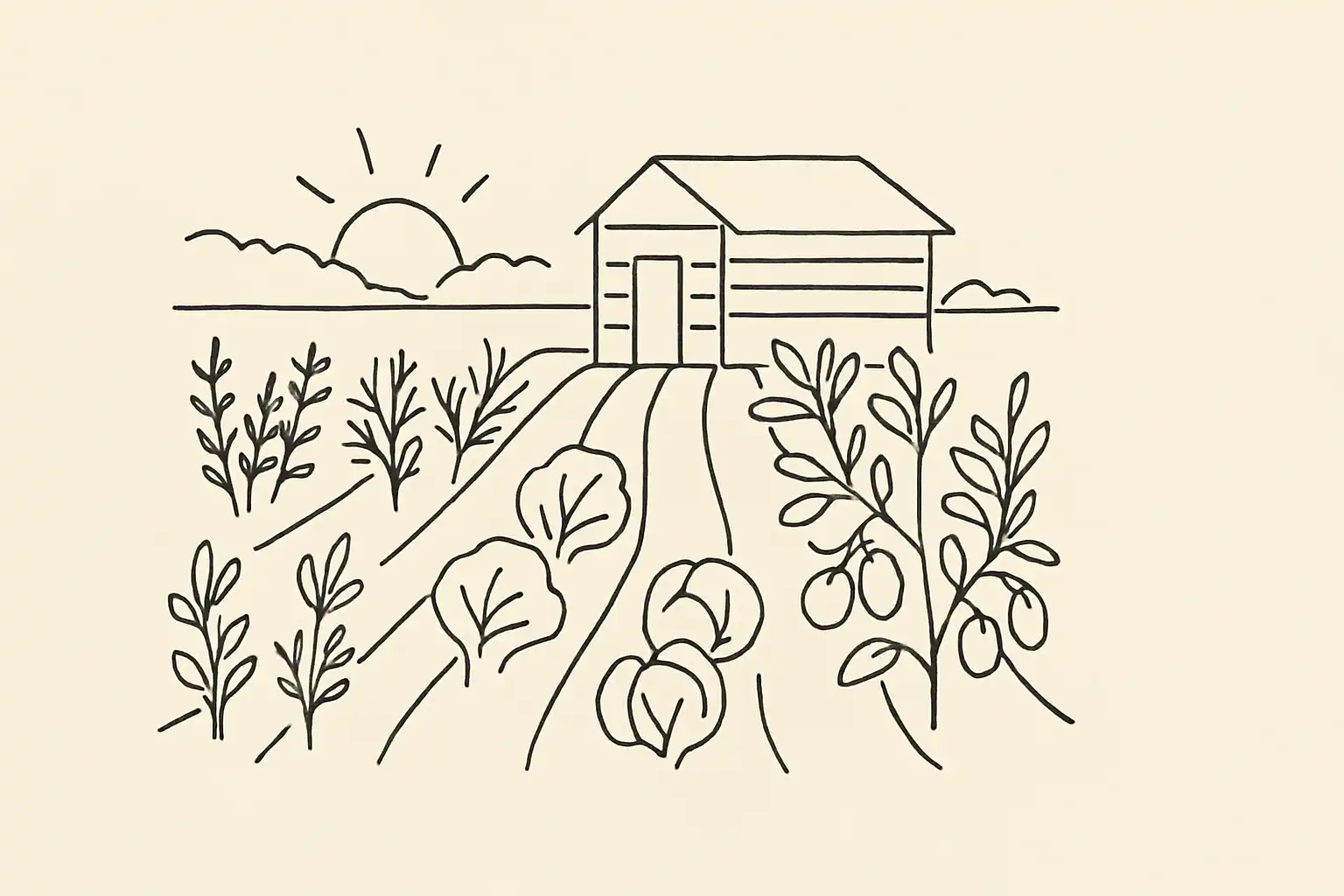
Before RGE RD had walls, it had fields. In 2011, Lebsack and his partner Caitlin Fulton built an oven from river rocks on a farm about ninety minutes from Edmonton. They called the event Dinner at Range Road 135, after the address. The concept was simple: cook with ingredients from the land people were sitting on, and serve them a meal while the sun dropped behind the prairie.
They ran farm dinners for two full years before signing a lease. That sequence matters. Most restaurateurs open first and figure out their supplier relationships after. Lebsack and Fulton did it backwards: they spent two years proving to farmers they were serious before they ever served a paying customer indoors.
The move was deliberate. They wanted farmers to trust them. When they eventually asked a farmer to raise 100 pigs for the year, the farmer didn't hesitate. The relationship was already built. The credibility was already earned on those dirt roads.

Reservation software. Free for Canadian restaurants. $0 a month
A 60-Seat Restaurant That Doesn't Chase Trends
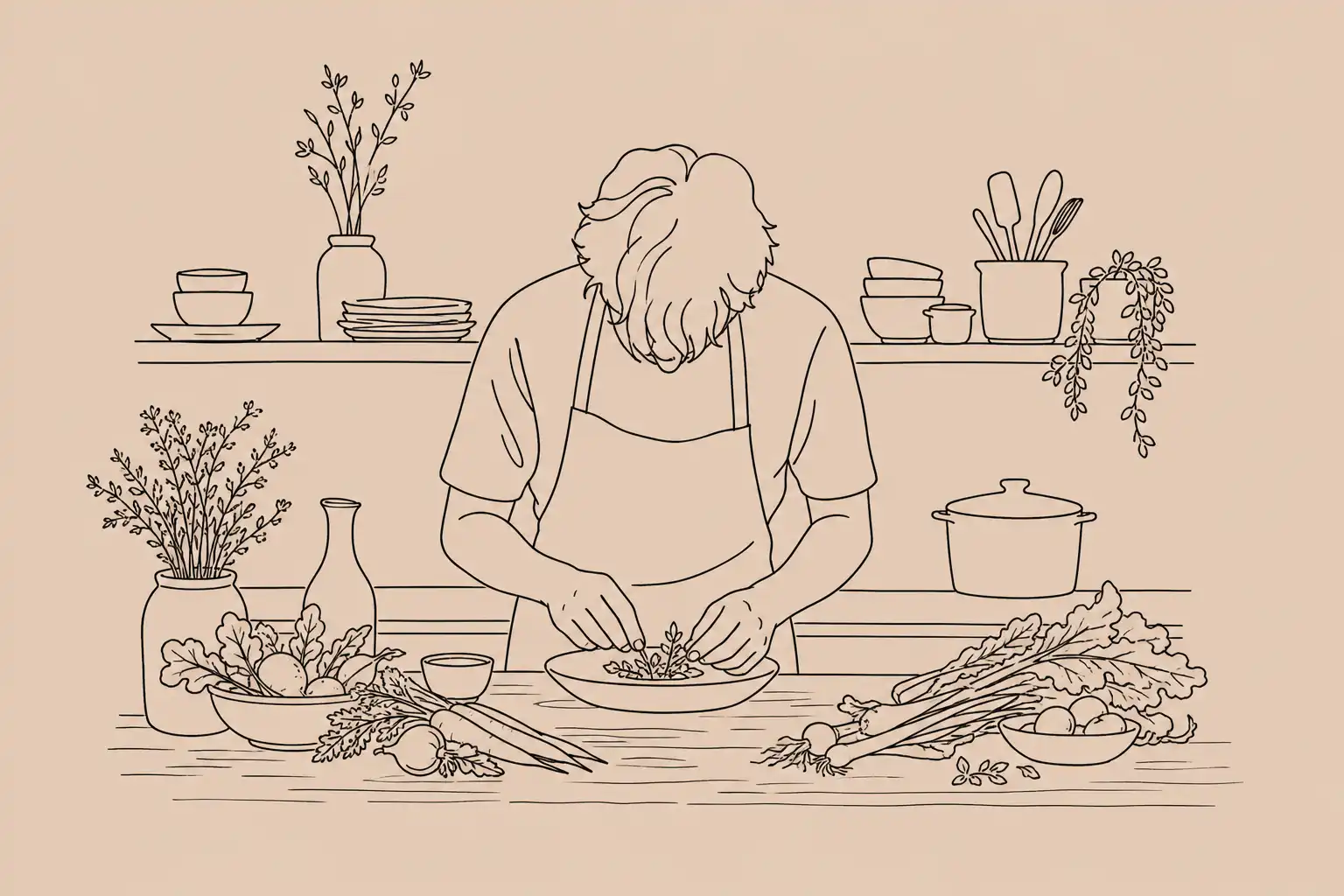
RGE RD opened in Edmonton's Westmount neighbourhood in 2013. Sixty seats. Wood fire cookery. Whole animal butchery. A menu dictated by what local farms had available that week, not by what was trending on social media.
The recognition came quickly. enRoute Magazine ranked RGE RD fourth among Canada's Best New Restaurants in 2014. Western Living named Lebsack one of their Foodies of the Year in 2013. Avenue Magazine has called it Edmonton's number one or number two restaurant for seven consecutive years. CBC Edmonton named it Best Restaurant of the Decade in 2019. Alberta Venture put Lebsack among the province's 50 Most Influential People.
What's more interesting than the awards is what Lebsack didn't do with them. He didn't open in Toronto. He didn't launch four concepts. He didn't franchise. The restaurant is still 60 seats, still in the same neighbourhood, still cooking over wood fire with animals raised by farmers he's known for over a decade. The awards validated the model. They didn't change it.
The Supply Chain That COVID Couldn't Touch
When global supply chains buckled in 2020, restaurants across Canada scrambled to find product. Canola oil that cost $18 for a 16-litre container jumped to $29 or $32. Protein prices surged. Distributors couldn't guarantee delivery windows.
RGE RD had a different problem: none. Every major protein supplier was local. Lebsack had been buying whole animals from the same farms for seven years. Lakeside Farmstead beef from Sturgeon County. Nature's Green Acres pork from near Viking, Alberta. Paradise Hills bison from Saskatchewan. These weren't transactional vendor relationships. They were partnerships with two years of animals being bred ahead of schedule specifically for the restaurant.
The pandemic didn't prove that local sourcing was nice. It proved that it was infrastructure. The supply chain everyone else was building through distributors and middlemen, Lebsack had built through handshakes and annual commitments on dirt roads. The standard advice for supply risk is to spread your buying across more than one supplier. Lebsack went the other way and went deep with a few, which held because the relationships were older than the crisis.
The Butchery: Vertical Integration, Not Expansion
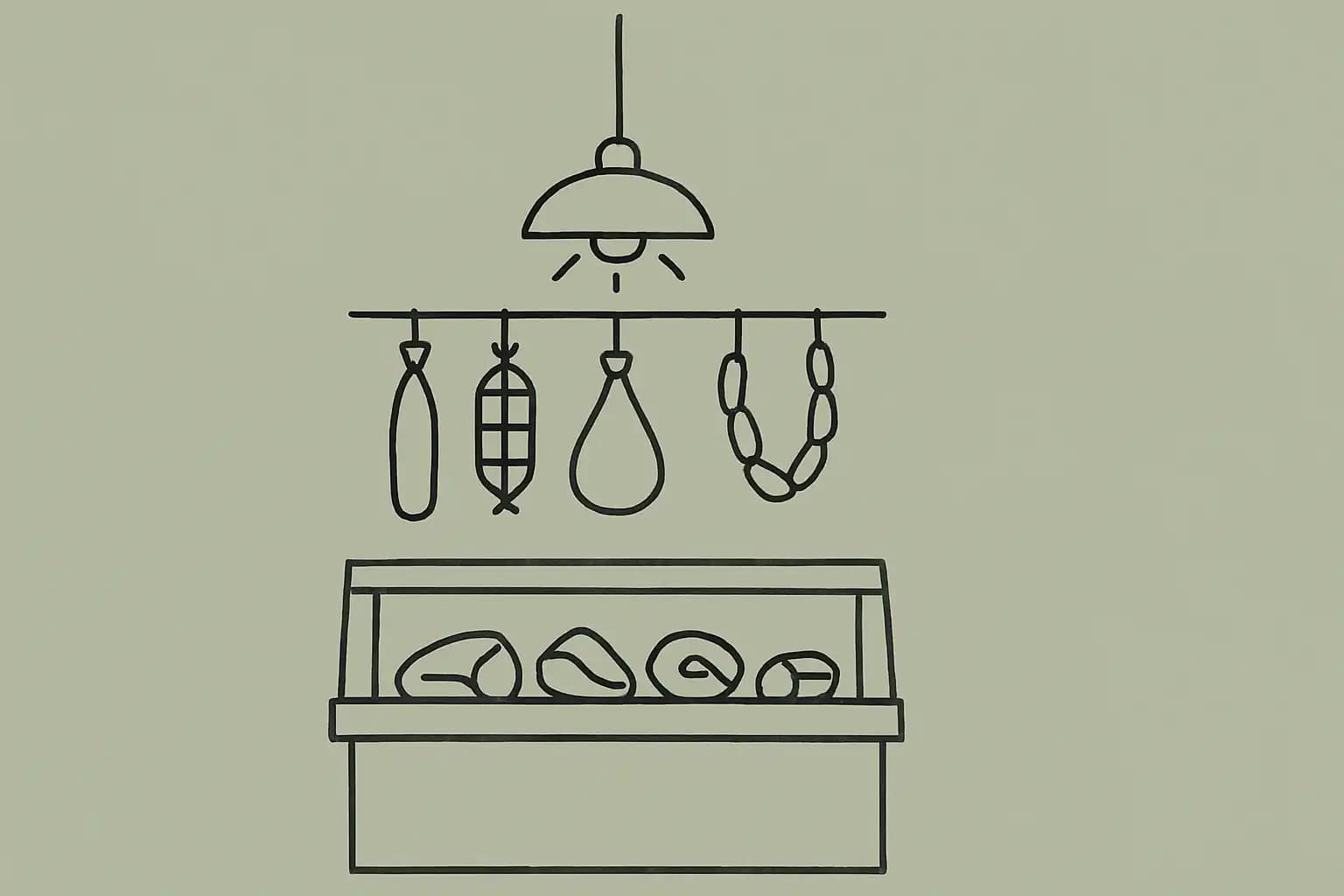
In November 2020, mid-pandemic, Lebsack and Fulton opened The Butchery by RGE RD. A 4,000-square-foot whole-animal butcher shop in the retail space next door. Custom cuts on the spot. House-cured meats. Sausages ground fresh daily. Soups and stocks made in-house.
It would be easy to read this as expansion. It wasn't, not in the way most restaurants expand. The Butchery was an extension of the same philosophy that started on those range roads: use the whole animal, know where it comes from, and let people see the provenance. Every protein on display carries a card showing the farm it came from.
For a 60-seat restaurant buying whole animals, butchery generates cuts that don't fit the nightly menu. Briskets, shanks, offal, bones for stock. The Butchery turned what could be waste into a second revenue stream while giving the neighbourhood access to the same quality the restaurant serves. Using every part of the animal is the oldest version of a zero-waste kitchen, and the economics of whole-animal purchasing improved because nothing gets left behind.
What a Decade of Staying Put Looks Like
RGE RD has been open for over twelve years. Lebsack started with food and beverage management at Red Deer College, apprenticed as a cook, worked kitchens in Banff, Canmore, and Saskatoon, then taught culinary arts at NAIT before opening the restaurant. In 2024, he returned to NAIT as the first Edmonton-born Hokanson Chef in Residence, leading a public lunch service of his own design for students.
That arc, from farm kid to culinary instructor to restaurant owner and back to the classroom, says something about how Lebsack thinks about the industry. Not as a stage for personal brand building, but as a community that needs to keep feeding itself. Literally and professionally.
The restaurant continues to host farm dinners every summer on the same kinds of range roads where it all started. Ticket holders eat courses made from ingredients growing steps away from the table, cooked over a wood fire, with a prairie sunset as the backdrop. Thirteen years in, the format hasn't changed because the format was right from the beginning.
In a food scene that celebrates new openings and rapid growth, Lebsack and Fulton built something rarer: a single restaurant, deeply rooted, that made its supply chain into a competitive advantage years before anyone else realized supply chains could break. The lesson for other independents isn't complicated. It's just slow. Know your farmers. Buy the whole animal. Stay put long enough for the roots to hold.
Sources: RGE RD, Eat North, Canada's 100 Best, The Western Producer, CBC Edmonton, Edify Edmonton, NAIT, Explore Edmonton.