Fadi Kattan & Nicole Mankinen (Louf): A Recipe Became a Restaurant
Nicole Mankinen wanted a recipe for hilbeh, a fenugreek semolina cake soaked in syrup. She reached out to Fadi Kattan on Instagram in 2022. Kattan, a Franco-Palestinian chef already running restaurants in Bethlehem and London, sent the recipe back. Then they kept talking. Months of exchanged recipes turned into a visit to Toronto, and the visit turned into a question neither had planned to answer: why doesn't this city have a Palestinian fine dining restaurant?
By November 2024, they had built one.
Three Continents, One Kitchen
Kattan's path to Toronto covers more ground than most chefs see in a lifetime. Born into one of the oldest Christian families in Bethlehem, with records stretching back to 1738, he grew up between kitchens and hotels. His grandmother Julia Dabdoub, who founded the local Arab Women's Union in 1947 and spoke five languages, taught him to cook. His grandfather, a doctor raised in France, took him to Paris.
He studied hotel management at the Institut Vatel in France, then worked kitchens in Paris and London before returning to Palestine to join the family hotel business. Fifteen years in hospitality later, he went back to the stove. Fawda, his first restaurant in Bethlehem, opened in 2016 with a menu improvised daily from whatever local produce was available. During the COVID lockdowns, he started Teta's Kitchen, a YouTube series documenting Palestinian grandmothers and their recipes across historic Palestine. In December 2022, he opened Akub in London's Notting Hill, combining British produce with Palestinian flavours. His cookbook, Bethlehem: A Celebration of Palestinian Food, followed in 2024, winning a Guild of Food Writers Award.
Each restaurant reflects its city. Fawda ran on daily improvisation from Bethlehem's markets. Akub brought Palestinian technique to British ingredients. Louf does something new again.
Better guest experience. Bigger nights. $299. Once.
The Partnership That Started with a DM
Mankinen had spent two decades as an editor, writer, and entrepreneur, splitting time between Toronto and Beirut. Finnish-UK heritage, but Palestinian cuisine had been at the centre of her family kitchen for years. When she reached out for that hilbeh recipe, she wasn't looking to open a restaurant. She was looking to make fenugreek cake.
But Kattan visited Toronto and saw what Mankinen already knew: a city of four million with no Palestinian fine dining option. Not "Middle Eastern." Not "Mediterranean." Palestinian, specifically. They spent two years building the partnership before opening Louf at 501 Davenport Road, at the foot of Casa Loma, in a converted house that had been a neighbourhood restaurant for over a quarter century.
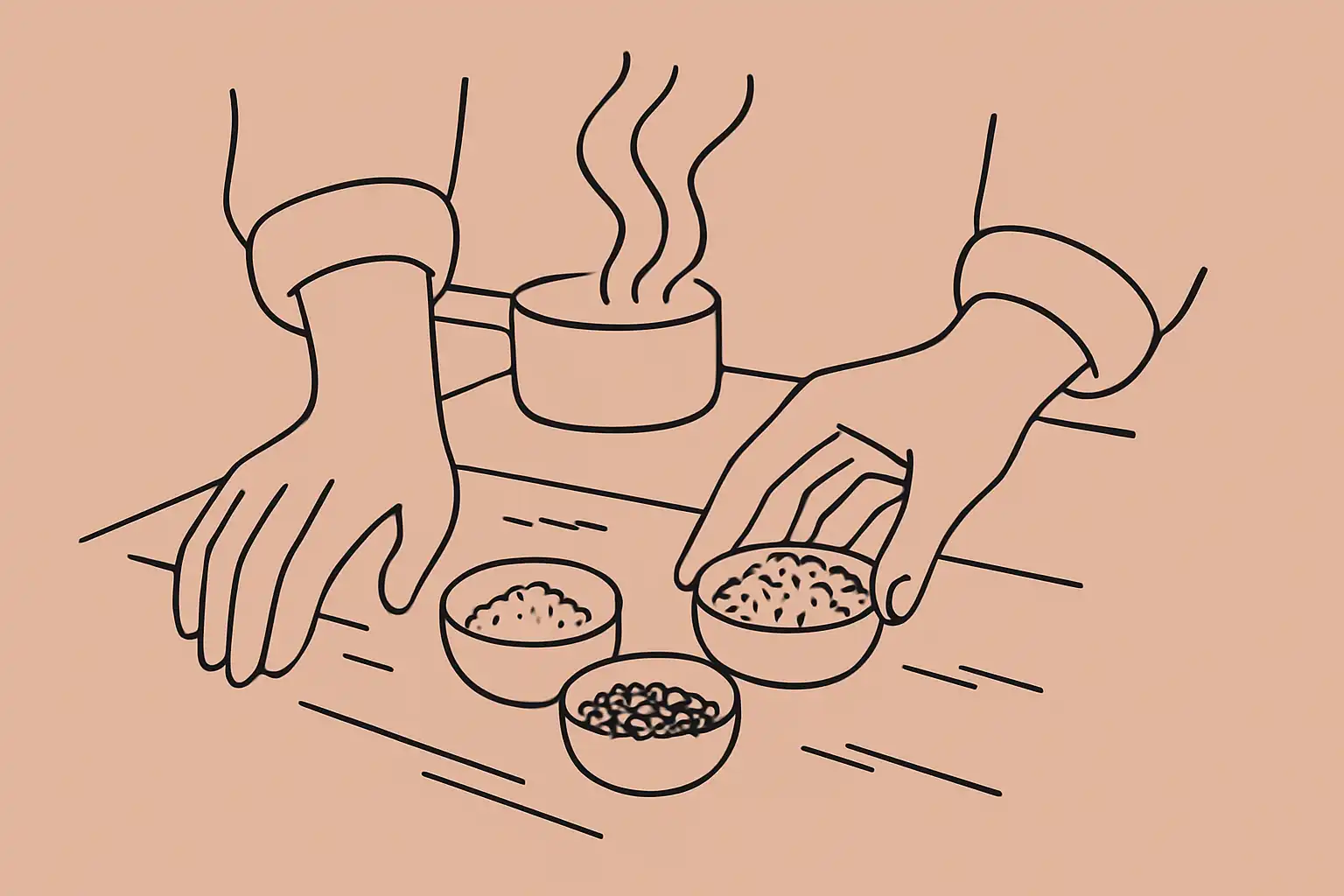
The restaurant's name comes from Arum Palaestinum, a wild plant native to Palestine. Raw, it's mildly toxic. Slow-cooked with olive oil, chickpeas, sumac, and bulgur, it becomes a delicacy. The metaphor is deliberate.
Dual Sourcing, No Compromise
What makes Louf unusual isn't just the cuisine. It's the sourcing philosophy. Kattan imports Palestinian olive oil, za'atar, maftoul, sumac, and Dead Sea salt, a line item exposed to every shift in what it costs to bring food across a border. But the menu is built around Ontario's terroir too. Louf earned its Feast On certification from the Culinary Tourism Alliance, proving that at least 25% of its food spend goes to Ontario-grown products, a benchmark nobody hits without real relationships with local producers.
"There's no sense in me saying I'm fighting for Palestinian farmers if I come to Toronto and disregard Ontario farmers and Indigenous producers," Kattan told the Globe and Mail.
The hilbeh that started it all shows up on the menu with maple syrup instead of the traditional rose water and simple syrup. "Because Canada," as the team puts it. The tartare reimagines kibbeh nayeh: tenderloin cured with salt, za'atar leaves, and sage, diced and mixed with bulgur and Palestinian olive oil, seasoned with warm spices. Khoubz bil zaatar comes with olive oil imported from Jenin in the West Bank.
This isn't fusion. It's a chef cooking with full awareness of where he is and where he comes from, simultaneously.
Seventy Seats, Eighteen Nationalities
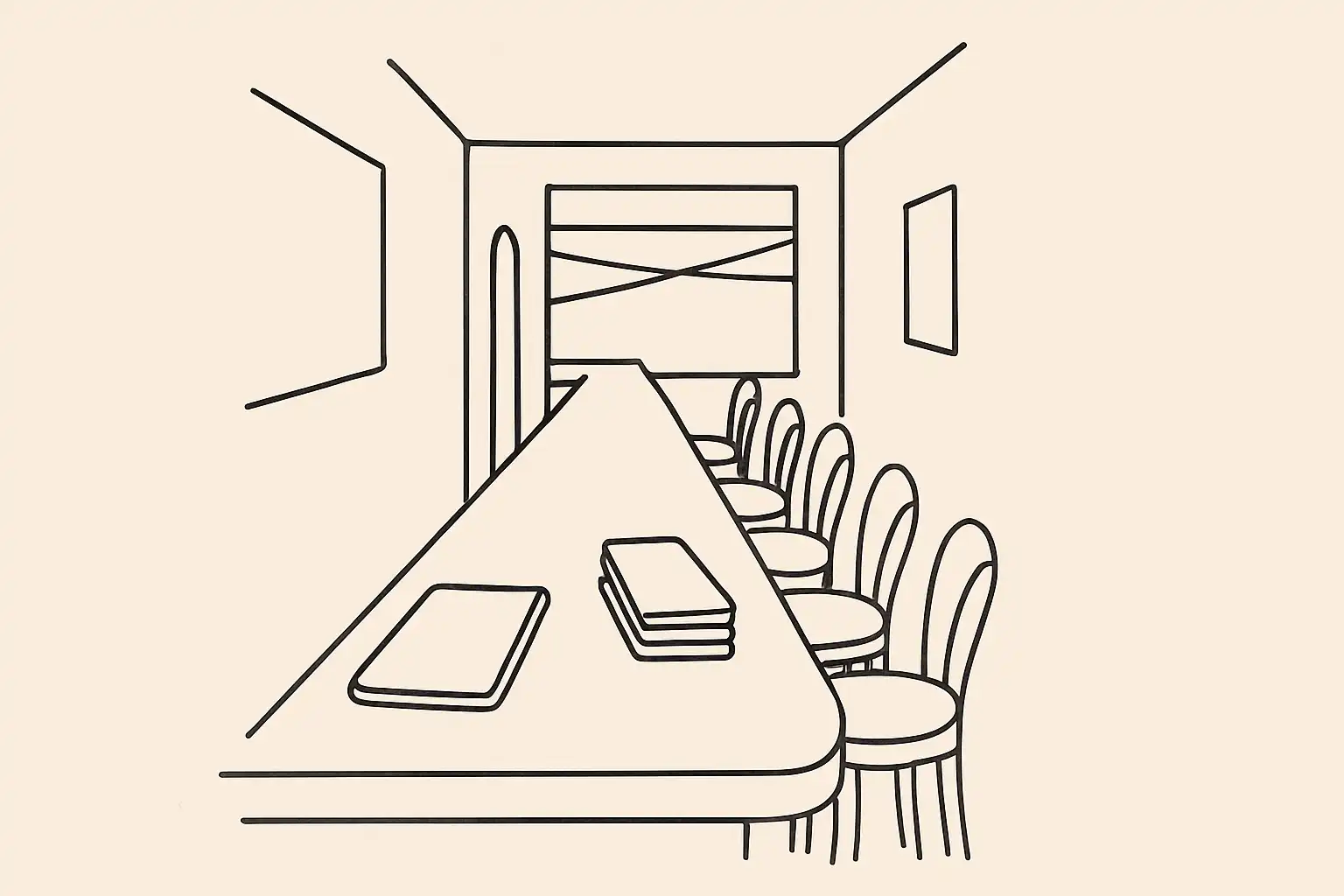
Louf opened on November 21, 2024 as a 70-seat restaurant with two bars, two dining rooms, and a communal eating space. Mankinen curates Palestinian art on the walls, loaned from artists and rotated. The staff, according to Mondoweiss, represents 18 different nationalities: Palestinian, Lebanese, Indian, French, Bangladeshi, Somali Canadian, and more.
Within six months, Toronto Life ranked Louf #7 on its 2025 Best New Restaurants list, the first Palestinian restaurant to make the cut in the publication's 43-year history.
Why This Story Matters for Independents
Louf started with a recipe request, not a business plan. The partnership between Kattan and Mankinen works precisely because they bring different things to the table: he has the culinary vision and the international reputation; she has the local knowledge, the editorial instinct, and the community roots.
There's a pattern here worth noticing. The most interesting new restaurants in Canadian cities aren't coming from operators who set out to open "a restaurant." They're coming from people who noticed a specific absence and had the particular combination of skills to fill it. Kattan could have opened another Akub in another global city. Mankinen could have stayed in publishing. Instead, a single Instagram message about a fenugreek cake led to Toronto's first Palestinian fine dining room.
That's the thing about this industry. The best partnerships start with shared curiosity, not shared spreadsheets.
Sources: Wikipedia, Toronto Life, Globe and Mail, Mondoweiss, GlobeNewswire, Foodism.